Special Events

During this internship I worked on two special events held at the museum, coincidently on the same day with about a half hour in between them. For the two different events I collaborated with different members of the Education Department to develop content for them.

The first event of the day was a Sensory Friendly Day with Potter Park Zoo, called Falconers Day. I worked with Elesha Newberry, who is the Campus Outreach Specialist, to create the content for this event. I ended up creating a new activity, using an older activity, and getting to test a part of my gallery box.

The new activity that I created was inspired by a bingo card activity that Elesha did at a previous institution. I knew that scavenger hunts were used in the past at this event but I thought it should be a little different. So I combined the two ideas to create a new activity for the event. I went around the museum taking photographs of objects on display and then used those to create a bingo card for guide visitors around the museum. It was a bit different than a scavenger hunt but it did allow for the visitor to move through the museum at their own pace and also focus on the individual items on display. I think that it worked well and allowed the visitors to explore the galleries in a new way.

The second activity was a Tooth Brushing Activity, where visitors were brush the teeth of different animals and learn more about why each animal has unique aspects to their teeth. Side note: I ended up using this activity as inspiration for a hands-on activity in a proposed exhibit for my Museum Exhibition: Theory and Development (MUSM 494) course.

Finally the last activity was the hands on portion of my gallery box about the general store in Heritage Hall. Which I have discussed in a previous post. It was a nice way to practice this portion of the box and to learn more about what needed to be improved for that box.

The second special event of the day was a screening of a new show on PBS that the museum partnered with WKAR (the local PBS station) to host. The show, based on a series of books, was called Xavier Riddle and the Secret Museum. We showed five episodes of the series which featured Charles Dickens, Helen Keller, Amelia Earhart, Zora Neale Hurston, and George Washington Carver. There were two screenings and afterwards the families were encouraged to explore the museum. I ended up collaborating with Dr. Denice Blair, the Head of the Education Department on this event. I worked on creating small labels to hang out throughout the galleries that connected the individuals discussed to specific objects in the museum. That was the challenging part, however. We didn’t have many items that specifically connected to the historical actors presented so some stretches had to be made. However, it was successful and people were excited and find the labels.

These events were exciting and something that I had never experienced before. Creating the programming for both events was challenging and new and eye opening. I had never, done something like that before. And to be put in a position creating and collaborating like that as an intern was unexpected. However, I enjoyed it and it really helped me realize that this was the type of work that I enjoyed and wanted to keep working on.
Greeting Groups and Working with the Public

What really interested me in working in the Education Department at the MSU Museum was the idea of working with the public. I liked the idea of creating a dialogue with the visitors. I did this through multiple avenues, I lead group visits and orientations, I worked special events, and I also trained a new docent.

After observing a couple of times, how group visit orientations work, I was able to lead a couple of them. It was nerve wracking at first, because as someone who is very introverted and shy, public speaking is not something that I enjoy. I’ll do it but I do get some nerves. However, once I realized that what I have to say important and I was helping to create a good museum experience, I felt better. Eventually I was able to start leading group orientations and be present in the galleries by myself.

Another great aspect of doing group orientations and visits was that, the 5th grade classes that I work with as Teacher Aide for came for a visit and I got to lead the students around. I ended up using my work background to help create a fun experience for the students and a (hopefully!) less stressful visit for the teachers and chaperones. The next week I got to do the same with the 4th grade classes from the same school. The structured setting that we developed for these field trips worked really well.

I also worked some special events, including a Sensory Friendly Day with Potter Park Zoo as well as a special screening of an upcoming show on PBS. But more about those in a future post.

Another aspect was training a new docent. I was asked by the Head of the Education Department, to train a new docent. It was nearing the end of my internship and I had been working at the museum enough that I confident that I could help guide a new docent through what to expect while working there. The new docent and I ended talking quite a lot and we got to ask questions and try to figure out more about museum.

I enjoyed this aspect of the internship the best, interacting with the visitors was so much fun and really allowed to me to shake off my shy nature and talk to people. It was a nice balance to the office work aspect being able to talk to people and learn more about what visitors want and try to help them as best as possible.

Behind the Scenes Work

Most of the work that I did for this internship was office work that supported bigger events. Early on in the internship I participated in developing content for the Dino Dash and Fossil Day that happens every October at the museum. This day was led by Nick Van Acker, who works on a lot of the science programming at the museum.

When Nick was working on this project, I offered to help with whatever he needed help on. Some of the stuff that I worked on was the usual internship work like making copies and stuff, but I did get to help create the Junior Paleontologist Scavenger Hunt. I ended up using previous versions from years gone by and also developed new questions for this year’s version. It was a lot of fun, and my first real attempt at creating content in a museum space. That was one example of the behind the scenes work that I did.

One of the earliest projects that I worked on was researching Visual Thinking Strategies (VTS) for a new docent program. I spent some time researching the process of actually doing VTS as well as the finding information for a handout and a video example. This was a nice early project to work on, since I am comfortable researching and I knew about VTS already. We ended up using the video that I found, which was great.

However, not all the office-based work that I did was as exciting and fun at content creation. I also did a lot of the grunt work. I worked on cleaning up the docent lounge and creating a better organizational system for the supplies. I helped with whatever smaller tasks needed doing on the days I was there. I also worked on data entry. I entered in all of the information of past large group visits to the museum for the last couple of years. I also entered in the information about gallery kit checkouts and returns, as well as SEAL Tots group information data entry. I will admit this was not very interesting at times. While I enjoy organizing and cleaning things up, these tasks can get repetitive and aren’t very engaging. Even though they are necessary for the running of the department.

I know that these were important tasks even if they weren’t always super engaging. And it was helpful for me to see that working in a museum is a mixture of all of these components: data entry, programming creation, etc. So it was nice to have that balance during this internship.

Data Collecting

Interspersed with my work on bigger projects (Gallery box, Museum Classroom, etc) I worked on several smaller projects. One was data collecting. I did two versions of this. I worked with the head of the Education Department, Dr. Denice Blair, to create a qualtrics survey to send to teachers (K-12 and College Level) after they completed a trip to museum. The other version of data collecting that I did was passing out surveys for a current exhibit, Finding Our Voices: Sister Survivors Speak.

For the post-visit survey, I worked on qualtrics. a site that makes it easy to develop surveys, to develop a quick questionnaire focusing on what the teachers (and their students) enjoyed about their visit and what needed to be improved. We wanted this to be something that could really help us create better programming and continuous visits to the museum.

The other major form of data collecting that I worked on was administering the pre- and post-surveys for the Finding Our Voices: Sister Survivors Speak exhibit. These surveys were already established and my job was to pass out the survey information to large groups when they came to visit this exhibit. A lot of time, these visitors were willing to participate in this exhibit survey. Which is wonderful, this information really helps. However, sometimes I collected data by setting up a table by the front of the exhibit and waited for people to come by and participate. This was far more challenging and I would get fewer responses.

Data collecting and evaluation is a major part of museums. How are you expected to understand visitors needs and wants, and if your exhibits, and by extension your museum is doing its job if you don’t talk to your visitors. I already had some experience with evaluations, however, developing one as intricate and expansive as the post-survey visit for teachers, was something completely new to me. I didn’t know at first how to go about writing these questions. I ended up needing to have multiple discussions with the department about how to phrase the questions.

Data collecting isn’t always easy, but it is important. I discovered that as frustrating as it can be at times- such when you sit for two hours waiting for just one person to take your survey- it can also be rewarding. Seeing that people still want to engage with the museum and the work even after you leave is great. Data collecting wasn’t always my favorite part of the internship, trying to talk to people can be difficult at times, and it can get tedious however, I did end up learning how to write a good survey, and how to actually collect surveys.

Museum Classroom

Another, really cool project that I got the chance to work on during this internship was a Museum Classroom. The Education Department at the Museum partnered with an elementary school in Lansing to design and construct a museum in the school. One of the reasons that we worked on this project was as a form of outreach. We know that it’s difficult to get to the museum sometimes and bringing the museum to the students would make it far more accessible. Plus it would give the students and faculty at the school a chance to see how museums operate and what we do on a day-to-day basis.

This was a pilot program, that no museum had attempted before, at least as far as we could see, after doing some research. Part of the reason behind this experiment is to help students learn outside of the traditional classroom space and without the constant stress of planning and going on field trips.

We worked to clean up and design the classroom. We even got to pick out a temporary exhibit from the MSU Museum to put up as an example for the students of what a exhibit looks like. We were hoping that the students would see the exhibit and the extra educational materials that we created and it would inspire them to create their own exhibits within the space.

However, as exciting of an opportunity that this was, it was difficult. Working with multiple schedules and trying to communicate between the museum and the school was hard. Plus, making sure that everyone that was needed was able to actually be there was difficult too, because some days it just didn’t work out. Unfortunately, this project wasn’t finished by the time my internship ended and the Education Department is still trying to figure it out. Hopefully it all works out and a great partnership develops.

For me, it was definitely a learning experience. I had never participated in a project like this before. I didn’t know how to create a museum space from the ground up, and though I have experience working in school and in museum environments, this was totally new ground. I did learn how developing new projects actually happens. It’s not linear, it’s messy and difficult and sometimes deadlines get pushed back. Or, even, sometimes you arrive to do some decorating and instead all of your furniture is gone and you have to move a bunch of tables and chairs out of a narrow door that can barely fit anything! But it was a good learning experience nonetheless.

I hope that this project gets finished soon and I get to see some pictures because I really want to know what the students think of for their exhibits!

Teaching General Stores

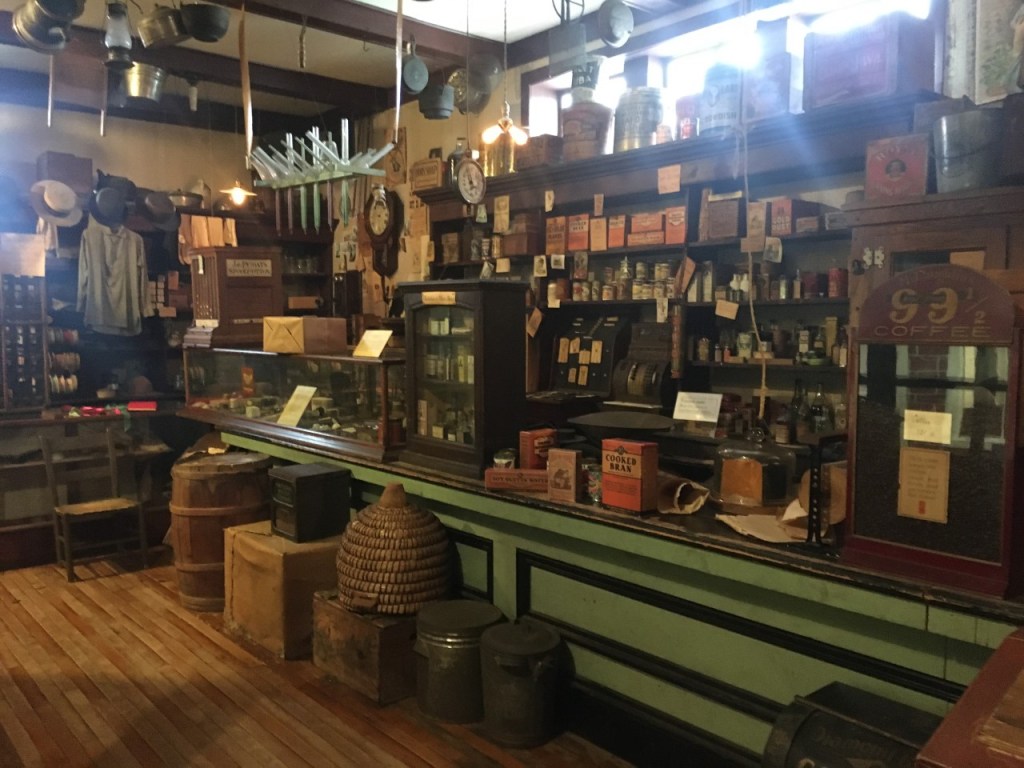
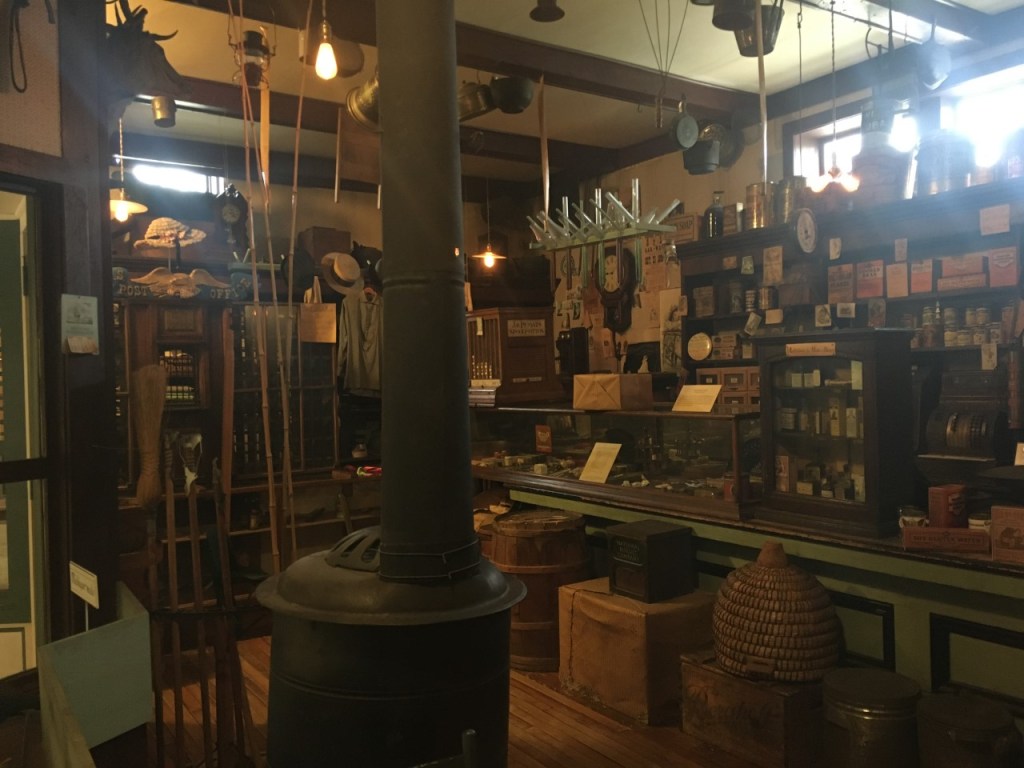
One of the projects that I worked on during my internship with the MSU Museum is a gallery kit about the General Store in the Heritage Hall. This was an interesting project because I got the chance to create a specific set of programming for a gallery that doesn’t currently have anything. I wanted to create a gallery kit that discussed how shopping and packaging have changed over time. However, the development process was difficult since there are two components to the box (discussion questions and information and a hands-on activity) and I never got to test them together.

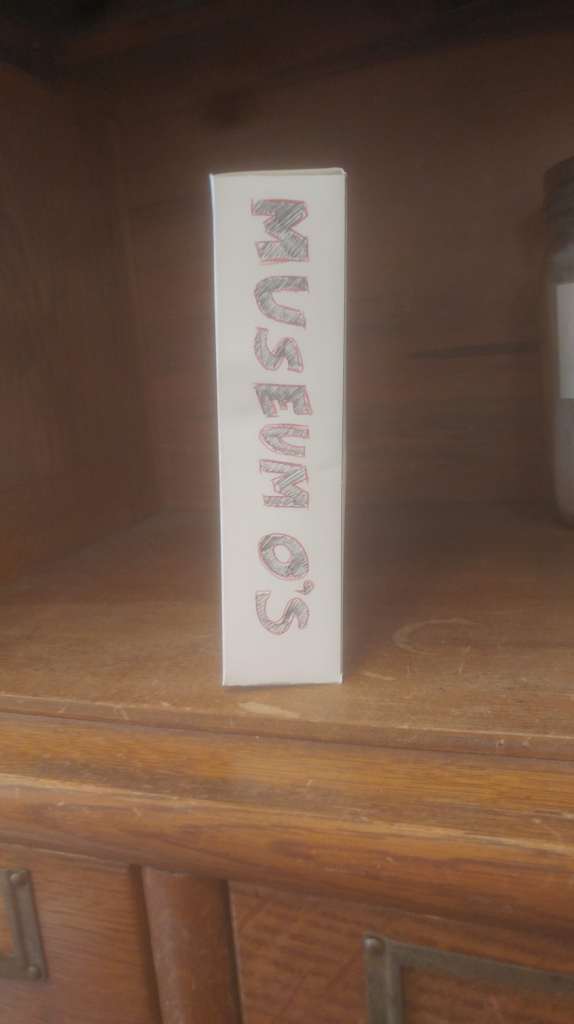
The second part of the box was a hands-on activity, which was honestly my favorite part of the whole box. I worked with a doctoral candidate at MSU School of Packaging to create a foldable cereal box that visitors could design and fill with whatever they want. We also worked to create a 2D soup can label version that visitors can also design and wrap around a can later if they don’t want to make a 3D box. This part of the gallery box was first tested at the Sensory Friendly Saturday event in November. It was a big hit and visitors really enjoyed the process of designing and creating their own box.

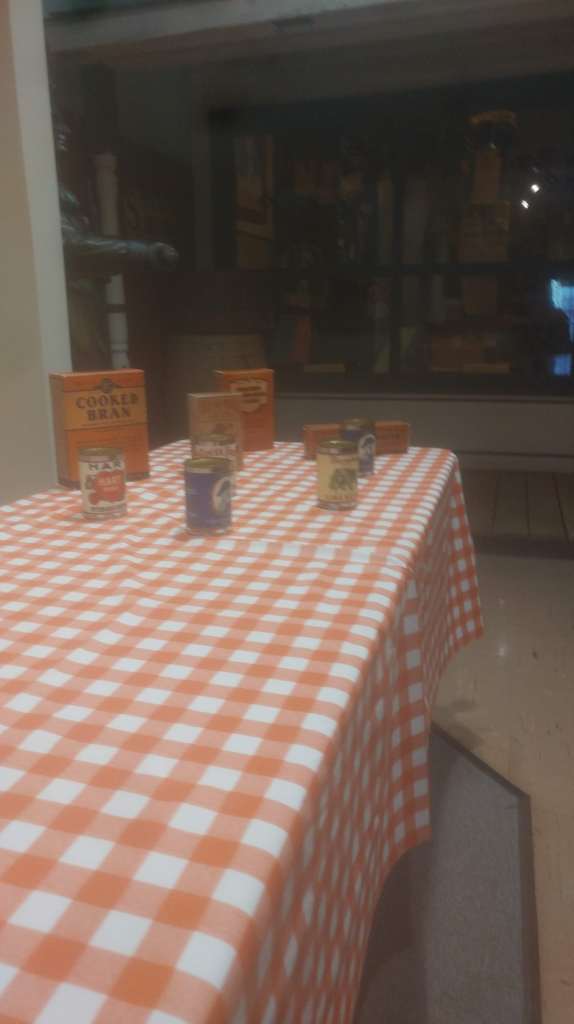
However, the initial part of the gallery kit, a series of discussion questions and general information not as easy to find time to test. However, a couple of weeks later, when a school group was visiting I was able to bring out the replicas of food packaging from the General Store and discuss with them the history of general stores and marketing along with the questions about general stores. It was nice to engage in a discussion with visitors.

Unfortunately, I never got to test and work on the two parts of the gallery kits at the same time, and hopefully we will be able to in the near future. However, it was nice to actually engage with visitors instead of just talking at them for a while about the General Store and not knowing if they are actually absorbing and learning any of the information.

A shot of the replicas of the boxes created by the School of Packaging. I used these as an example for the visitor to discuss more about how packages and marketing has changed over time.